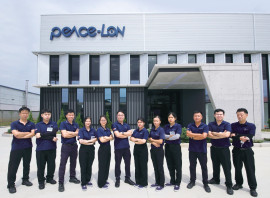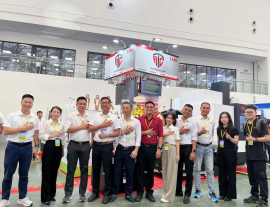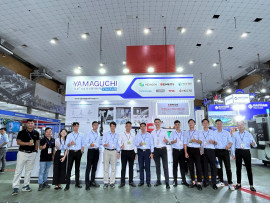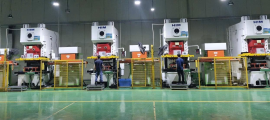


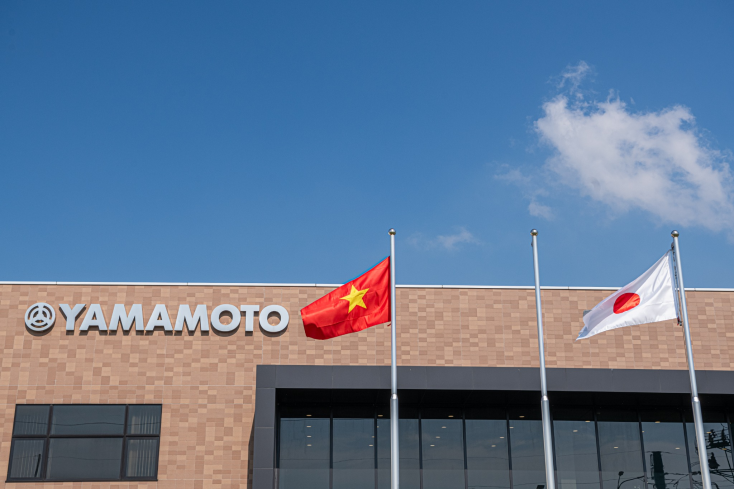
In Vietnam, home to a large concentration of labor-intensive manufacturers, one Japanese company is pursuing a new approach to high-precision machining. Yamamoto Metal Precision Vietnam is the Yamamoto Metal Group’s only overseas base.
Building competitiveness through machining technology and automation
Yamamoto Metal Precision Vietnam operates in two areas: machining and manufacturing solutions. The latter helps customers engaged in machining address challenges on the factory floor. Machining currently remains its core business, but the company plans to strengthen its manufacturing solutions business and develop it into another major source of revenue.
The machining business centers on two areas of expertise at the company’s headquarters in Japan: cutting and polishing. A distinctive feature of its approach is that, once a product is confirmed for volume production, it designs the process with production-line automation in mind from the quotation stage.
“A process in which a person loads the workpiece for machining is fundamentally different in its design from one built around automation,” Fukui explains.
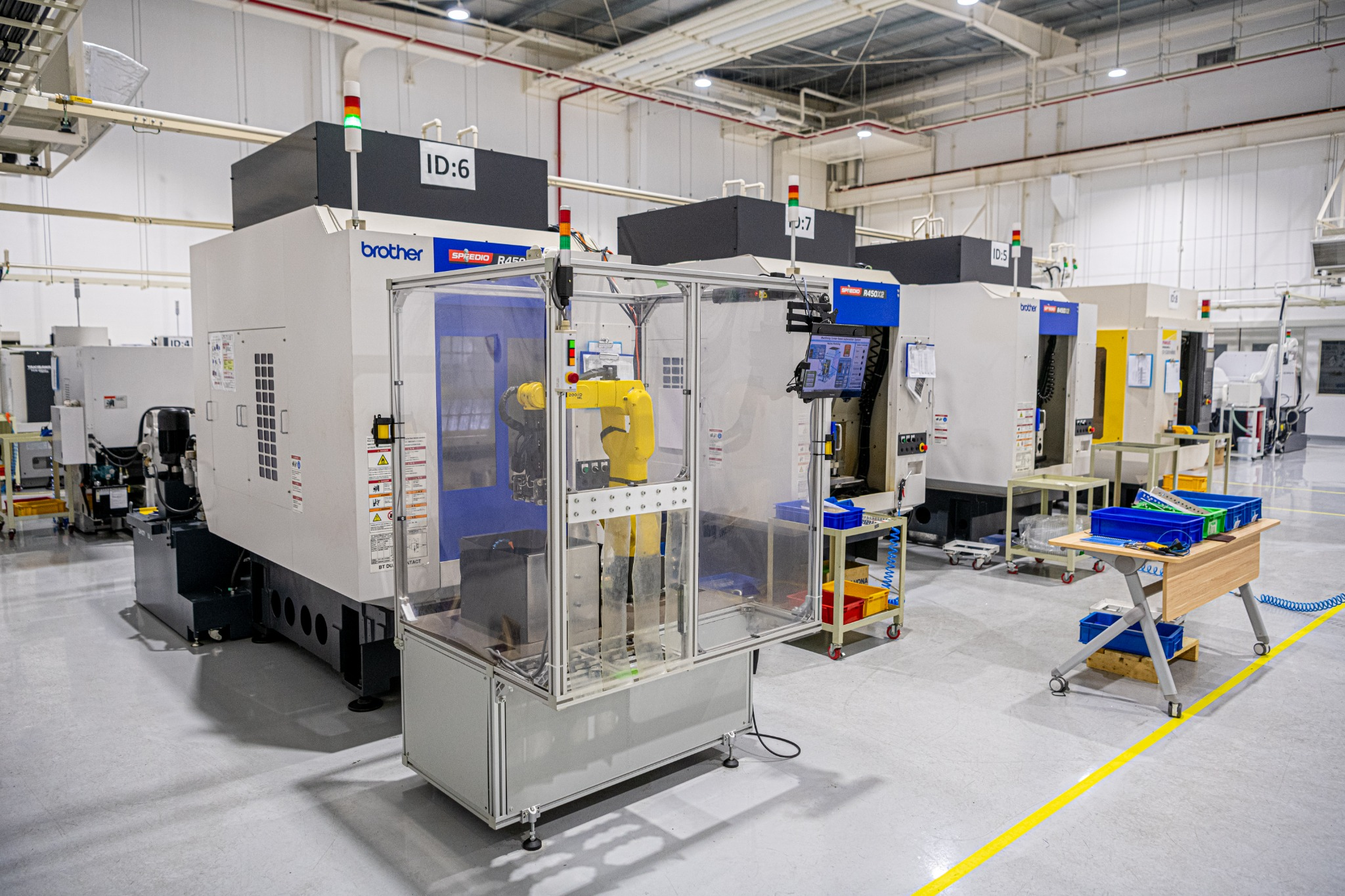
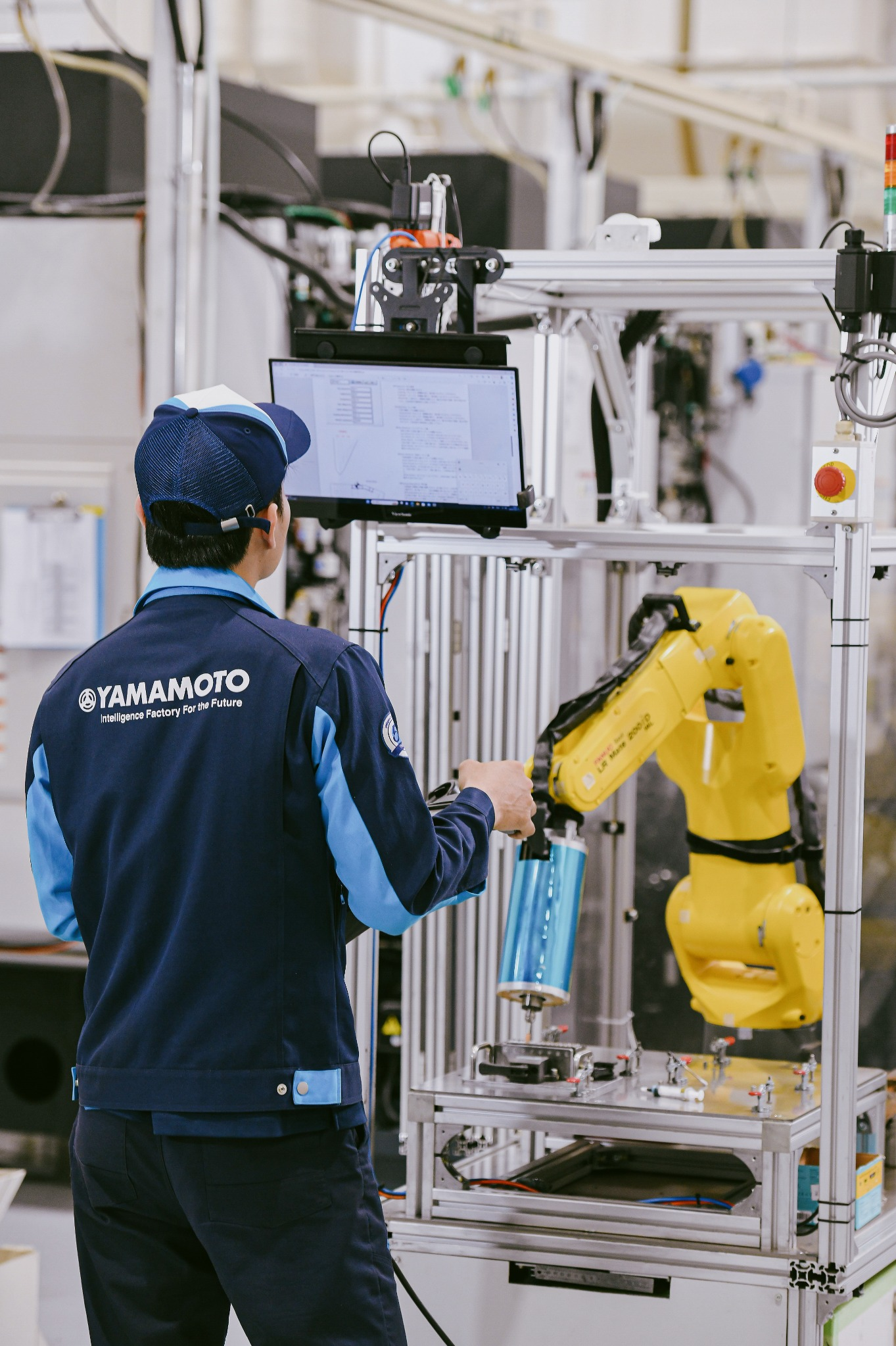
Rather than automation based on dedicated machines for high-volume production, the company uses industrial robots to deliver flexible automation that can also accommodate high-mix, low-volume production. Acting as the system integrator, the Japanese headquarters designs and builds the robot systems, then deploys them in Vietnam.
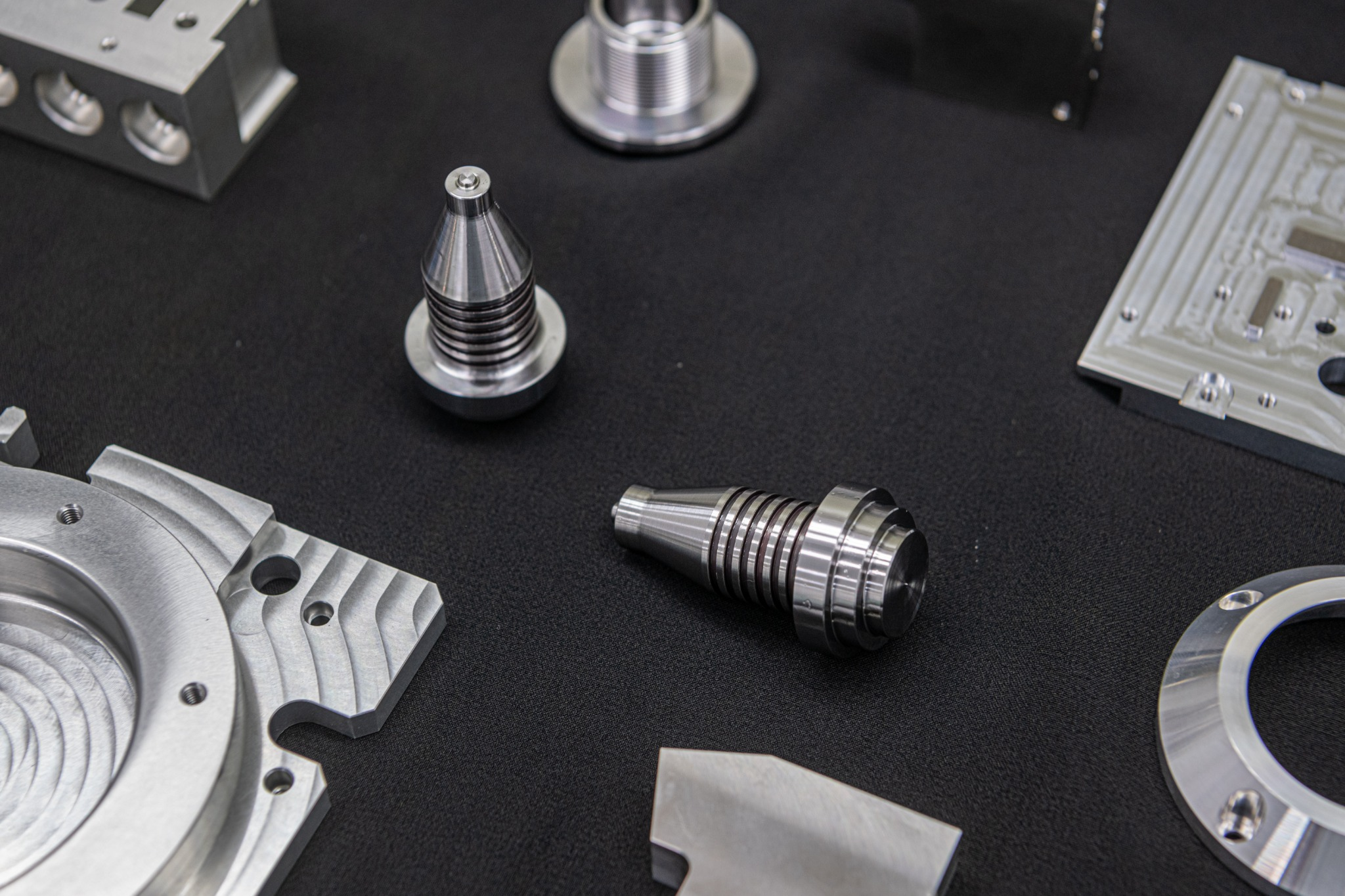
Investment in robots is, of course, a significant financial commitment. Fukui acknowledges that it is difficult to compete on price alone with companies whose advantage lies in low labor costs. He stresses, however, that the company’s competitiveness comes from its ability to automate high-precision machining and maintain efficient, stable production. Drawing on this strength, it manufactures a wide range of core components for systems used to inspect medical equipment, semiconductor manufacturing equipment, hydraulic pumps, and other applications.
Sensing technology that turns expertise and skills into numbers
As automation and unattended operation become more widespread, a new challenge has emerged: how to detect machining abnormalities early and prevent defective products. If a tool breaks without anyone noticing, for example, a machine may continue producing defective parts.
“Automation itself is not particularly difficult. What is truly difficult is keeping production running unattended while maintaining consistent quality.”
MULTI INTELLIGENCE® was developed to address this challenge. The sensing system combines sensors and software, with sensors installed on the fixture in a machining center or close to the cutting tool in a lathe. It captures physical phenomena occurring during machining and transmits the data wirelessly to an external PC. When an abnormality is detected, the PC communicates with the machine tool’s CNC controller and sends a stop signal to prevent defective products from being made.
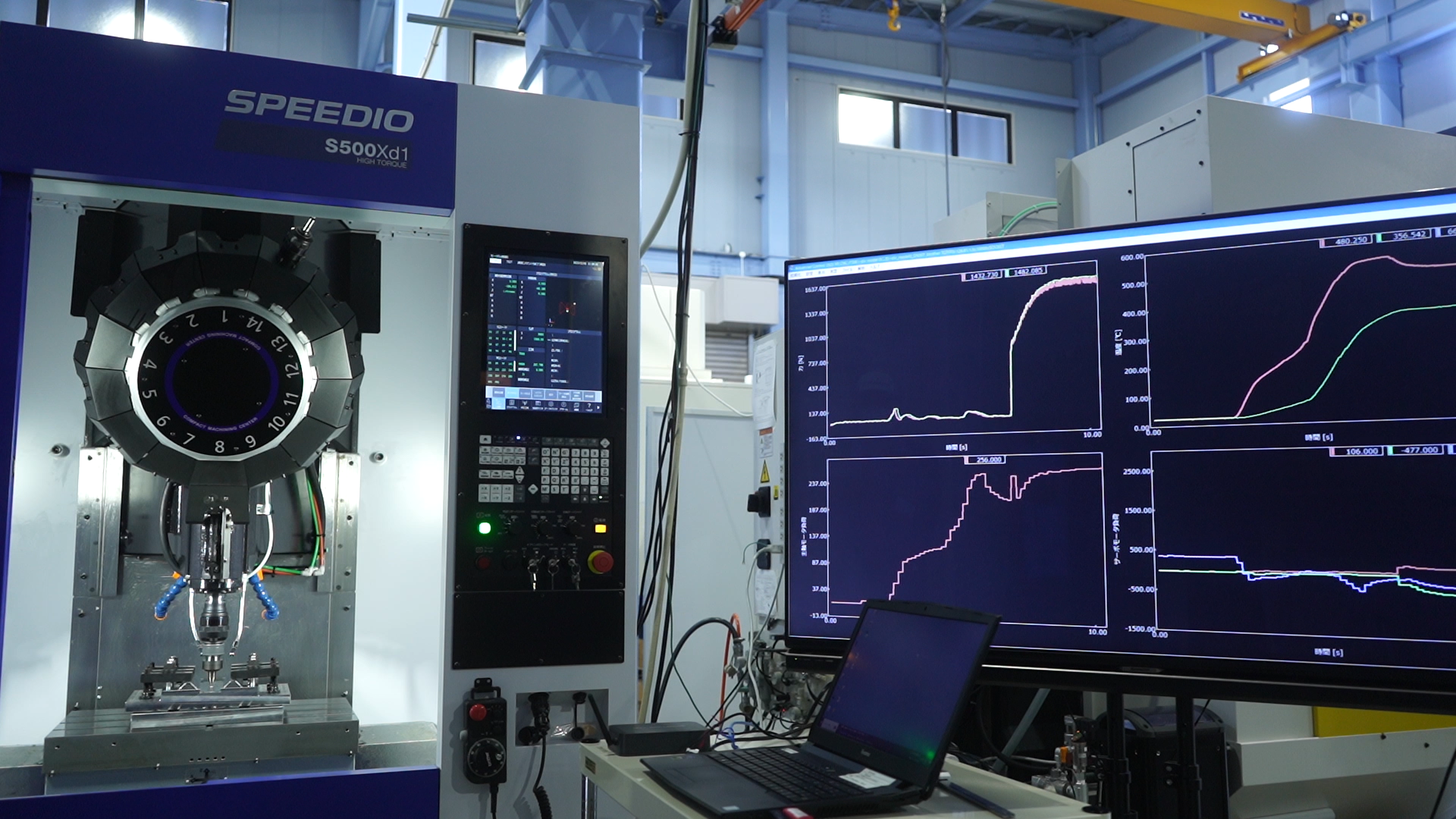
The company offers several hardware products, including b-series and i-Stir, to suit the type of machining abnormality to be detected and the required accuracy. Its emphasis is on sensing physical phenomena as close to the machining point as possible. This approach also reflects lessons Fukui learned firsthand on the production floor. When he joined the company in 2010, the first lessons senior colleagues taught him on the line were the basics: “Listen to the sound during machining” and “Watch the color of the chips.”
“After about three years of experience, you begin to understand what those instructions mean, but it takes time to get there. From the perspective of passing on skills, too, I thought it would be easier to understand if we could express things in numbers rather than relying on intuition.”
Experience gained on the factory floor has thus helped shape the company’s development philosophy: quantifying and visualizing the skills of experienced machinists.
A management philosophy that led to Vietnam
Yamamoto Metal entered Vietnam in 2020. With plans to expand its solutions business overseas, it considered several ASEAN countries before ultimately choosing Vietnam. Fukui attributes the decision to the country’s affinity with the company’s management philosophy.
That philosophy is to “Discover the potential within yourself that you have yet to see.” It values people who challenge themselves to grow and supports their efforts.
“The idea is that each person is responsible for their own growth. At the Yamamoto Metal Group, we highly value people who take the initiative to challenge themselves. I feel that many people in Vietnam identify with that attitude and put it into practice.”
Indeed, Fukui describes many of the Vietnamese employees as “diligent and highly capable.” A shared understanding of the management philosophy provides a foundation for both business development and organizational growth.
The Vietnamese company began full-scale operations in 2021. Its first priority was to carefully communicate Yamamoto Metal’s thinking and values to its employees.
The company has approximately 20 employees. Fukui says that, precisely because the team is small, he wants to maintain the best possible compensation and working conditions for each individual. Technical ability is not the only consideration in recruitment.
“In interviews, we always look at whether a person is receptive to learning, shares our management philosophy, and can take the initiative to embrace challenges.”
Many core team members worked in Japan for several years before returning to Vietnam when the local company was established. The experience and values they brought back from Japan underpin the organization in Vietnam.
Opening new business opportunities through exhibitions
Among his exhibition experiences in Southeast Asia, Fukui particularly remembers his first visit to the FBC Manufacturing Business Matching Fair in 2022. He attended as a visitor rather than an exhibitor, but a meeting with a Japanese company representative at a buyer booth led to a business relationship with a major customer that continues today. That experience prompted the company to make active use of exhibitions as a way to connect with new customers.
At the FBC ASEAN Manufacturing Business Matching Fair in September 2026, the company will put its machining business, rather than its solutions business, at the forefront. The main focus will be friction stir welding (FSW), one of its strengths. It will display numerous FSW joining samples and introduce the technology’s distinctive features.
FSW can be performed on a machining center, allowing cutting and joining to be combined in a single process and reducing the number of process steps compared with conventional methods such as brazing. Because the base materials are joined directly, the resulting joint is highly reliable. This also helps reduce the risk of leakage defects that conventional methods have been unable to prevent. Alongside EV-related applications, the technology is now being extended into thermal management.
“We are also receiving inquiries from companies developing cooling modules for AI servers.”
Fukui expects sensing technologies and FSW-related solutions developed in Japan to gradually gain a wider foothold in Vietnam.
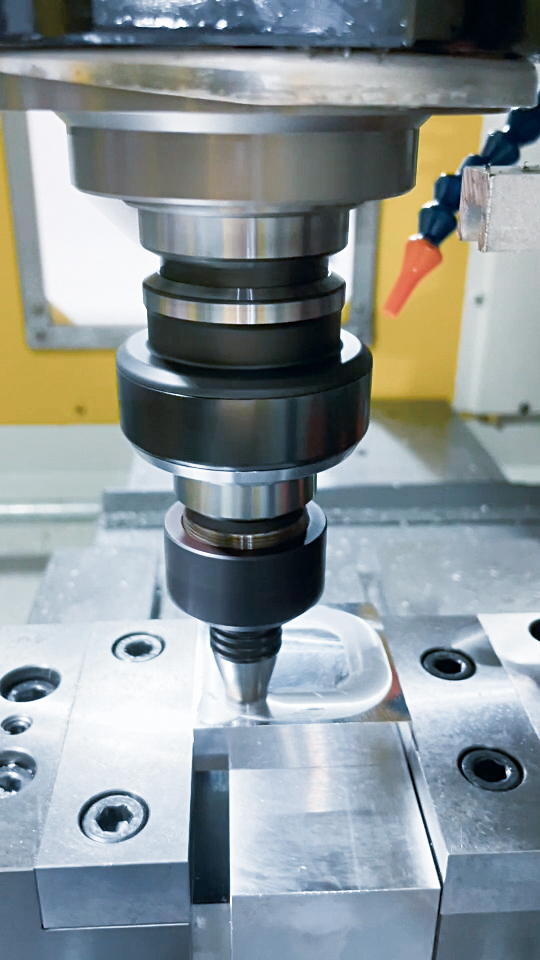
At this year’s FBC ASEAN, the company also hopes to expand its machining business by meeting new customers.
From Vietnam to the ASEAN market
The company also emphasizes collaboration between industry and academia to strengthen its technological foundations. Hanoi University of Science and Technology, Osaka University, Yamamoto Metal, and Yamamoto Metal Precision Vietnam are currently conducting joint research on FSW.
The Vietnamese company is positioned as a core base for ASEAN expansion in both machining and solutions. Looking five to ten years ahead, Fukui says he continually considers the value the company can bring to Vietnam’s manufacturing sector under the group-wide slogan, “Innovating machining.” One concrete initiative is to bring “YAMAMOTO’s vision for the production line of the future” to life in its own factory.
To conclude, Fukui outlines the company’s strengths for visitors to FBC ASEAN:
“What we are most confident about in our machining business is our logical approach to quality management and our communication with customers. I personally serve as the customer contact, and I always strive to provide attentive support so that customers can entrust their work to us with confidence.”
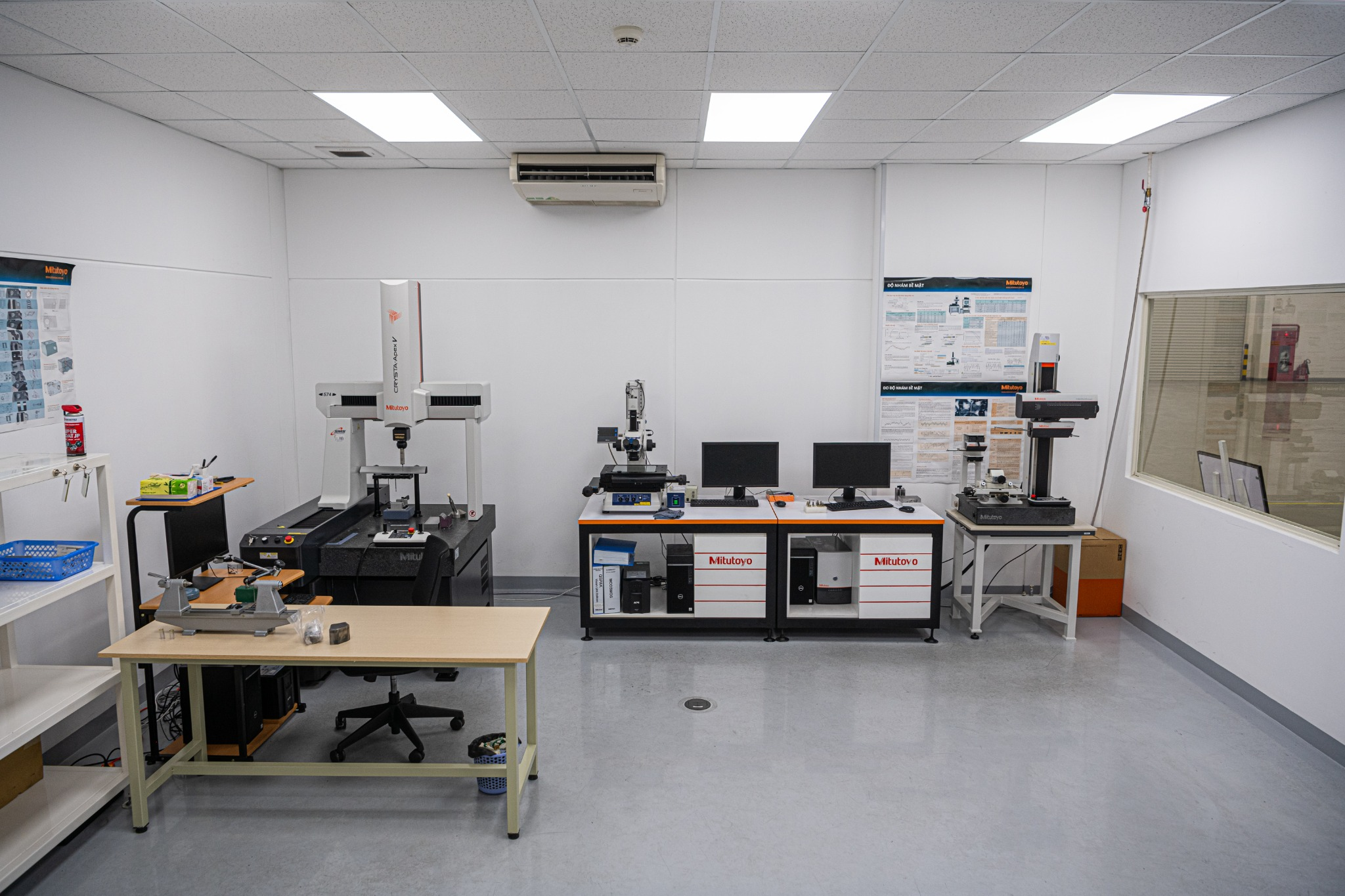
With machining technology and manufacturing solutions as its two pillars, Yamamoto Metal Precision Vietnam is looking beyond Vietnam to the ASEAN market. Making technology and skills visible is helping it build the production line of the future.