

For many manufacturing plants, investing in CNC machinery is only the beginning. The real challenge starts once the equipment goes into operation: how to maintain accuracy, resolve problems promptly, and limit disruptions that could affect production plans.
This is why ATC Machinery (hereinafter “ATC”) is positioning itself not simply as a machine tool distributor, but as a technical partner involved throughout the equipment lifecycle.
When a factory’s challenge goes beyond buying machinery
For many manufacturing plants, investing in CNC machinery is only the beginning. The real challenge starts once the equipment goes into operation: how to maintain accuracy, resolve problems promptly, and limit disruptions that could affect production plans.
This is why ATC Machinery (hereinafter “ATC”) is positioning itself not simply as a machine tool distributor, but as a technical partner involved throughout the equipment lifecycle.
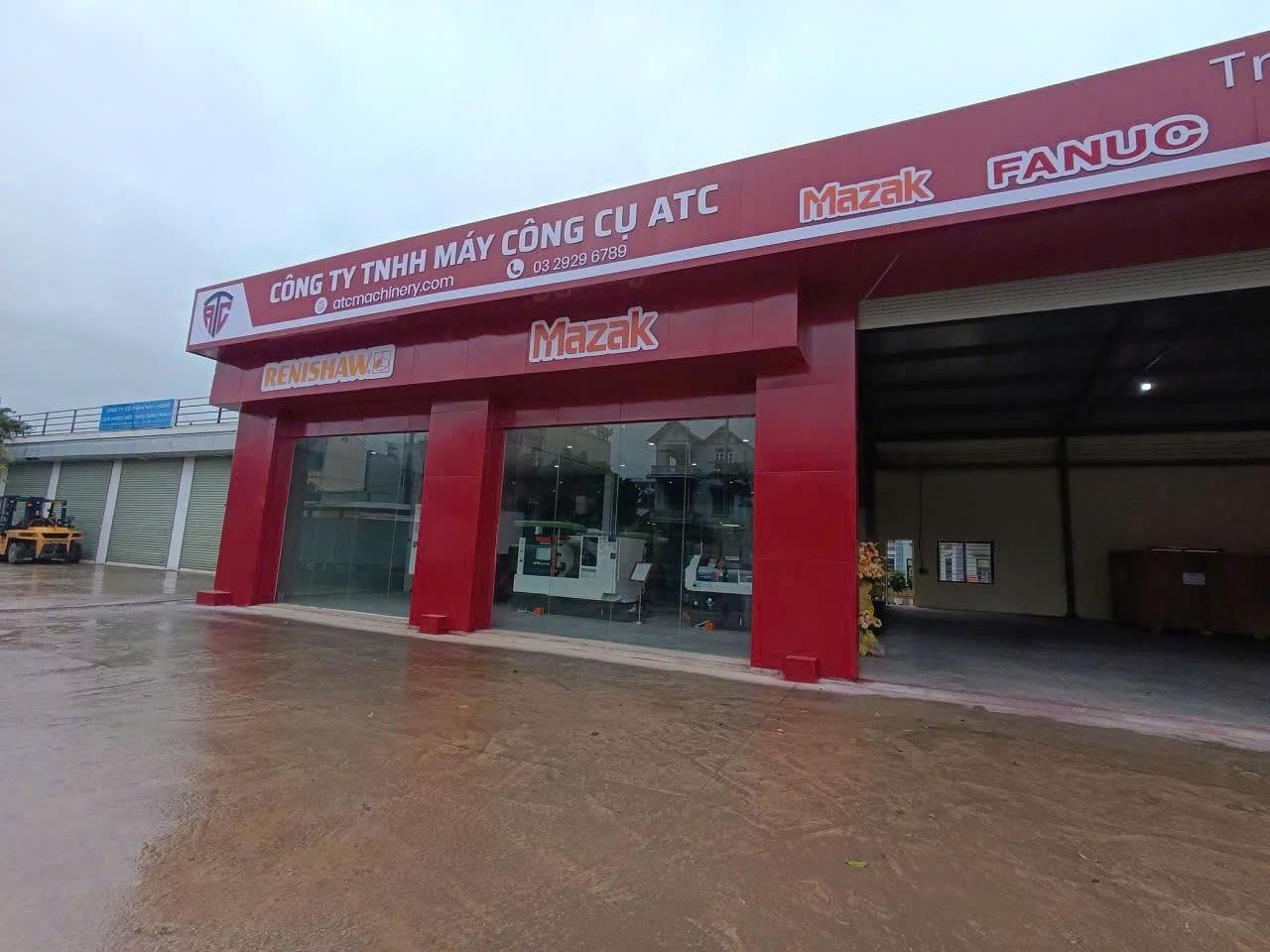
Established in 2019, ATC is now an authorized distributor for a number of Japanese machine tool and industrial equipment brands, including Mazak, Mitsubishi, Fanuc, Kuroda, and Renishaw. Alongside its commercial operations, the company has developed a specialist technical team for maintenance, measurement and inspection, repair, and CNC machine operation support at customer factories.
A defining feature of ATC is its combination of authorized distributorship and on-site technical capability, helping businesses derive greater value from their machine tool systems throughout their service life.
Value extends beyond the equipment
According to an ATC representative, most customers today have little difficulty accessing technology or selecting equipment. The greater challenge is maintaining machine performance, extending the life of capital assets, and minimizing risks that could affect production.
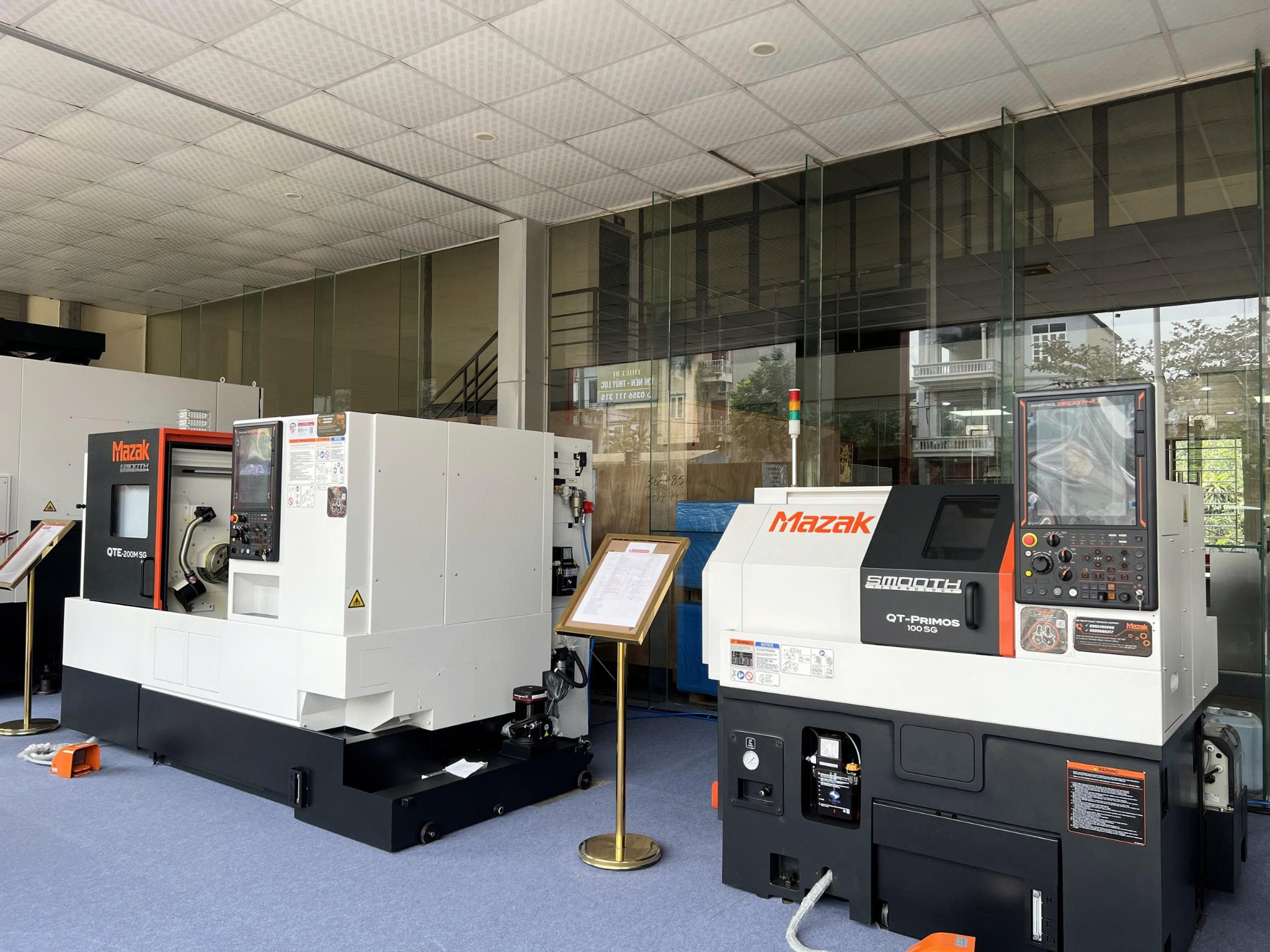
For this reason, ATC does not stop at supplying machinery. It has made technical services an integral part of its business model.
With more than 20 dedicated engineers and experience across widely used CNC control systems such as Fanuc, Mitsubishi, and Okuma, ATC provides services ranging from scheduled maintenance and machine accuracy inspection to advanced repair, system upgrades, and improvements.
For many manufacturers—especially plants operating equipment from multiple brands—having one capable technical point of contact for coordinated support can significantly simplify equipment management.
Supporting customers after machine handover
One of ATC’s clearest points of difference is how it views customer relationships. Machine handover is not the end of a contract, but the beginning of long-term support.
Customers purchasing new machines from ATC can receive free maintenance for up to five years. During this period, the technical team visits the factory at scheduled intervals to inspect equipment condition, assess operating stability, and provide necessary recommendations.
Rather than applying the same maintenance schedule to every customer, ATC develops plans based on the actual operating conditions of each factory. Inspection frequency can be adjusted according to machine utilization, the characteristics of the products being machined, and the accuracy requirements of each production line.
These scheduled visits are not limited to equipment inspection. They also allow ATC engineers to speak directly with customers, identify early signs of abnormality, and propose action before a problem affects production.
From selling machines to solving machining challenges with customers
For ATC, a project’s value lies not only in selecting the right equipment, but also in selecting the right machining approach.
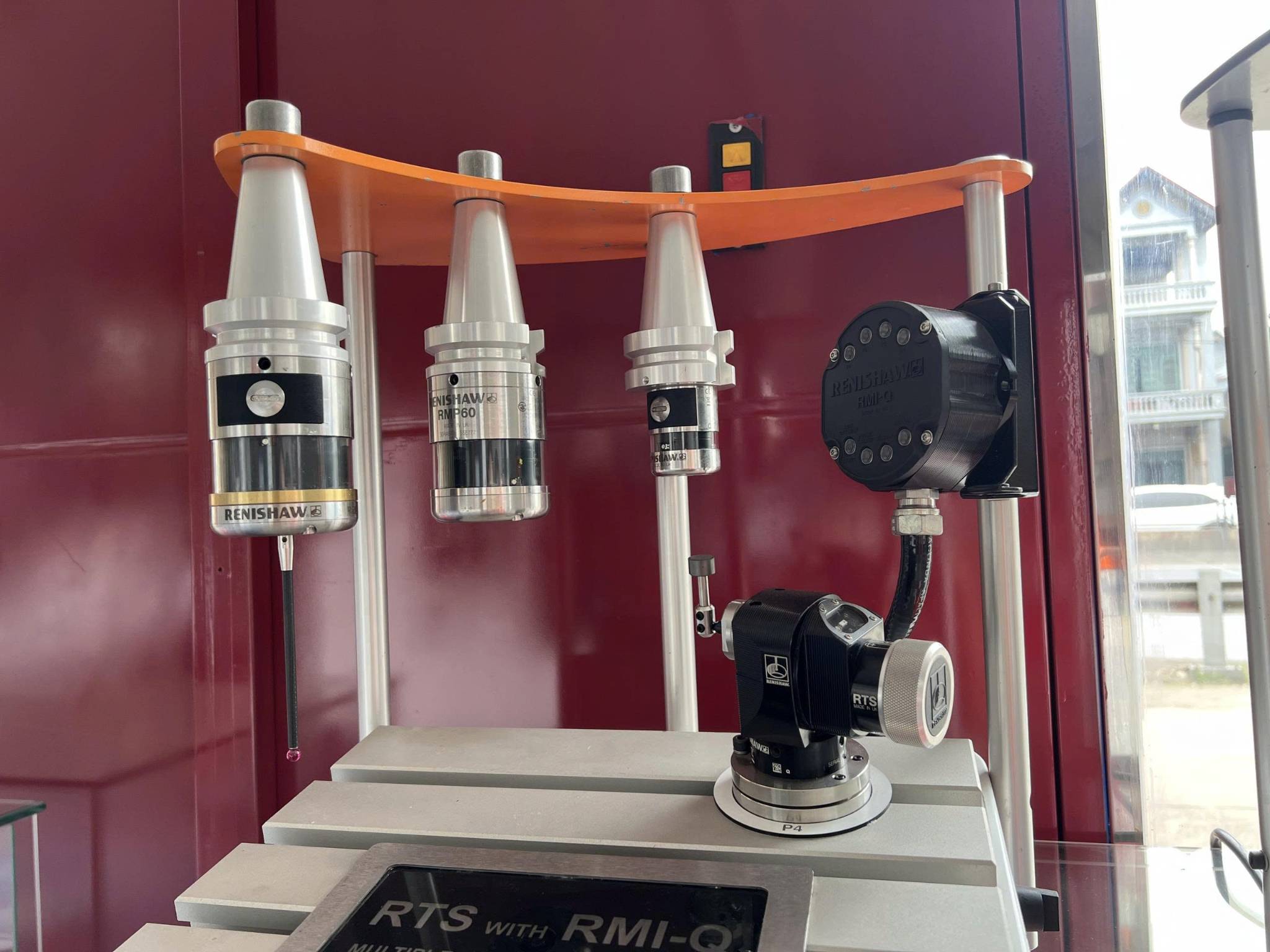
In practice, businesses investing in new machinery often focus on specifications or equipment brands. Yet final production performance depends on many other factors, including product characteristics, workpiece materials, required accuracy, production volume, operating processes, and future scalability.
By working regularly on factory floors, ATC’s technical team gains direct exposure to real production challenges. This enables the company to advise customers from the early planning stage, helping them assess the products to be machined, select suitable technology, and develop a more effective investment approach.
In addition to monthly scheduled visits, ATC engineers regularly discuss issues arising during production with customers—from improving machining accuracy and raising productivity to making better use of existing equipment. In many cases, adjusting the process or choosing a more suitable machining approach can deliver greater value than investing in additional machinery.
This advantage stems from ATC’s distinctive operating model. As an authorized distributor for several Japanese machine tool brands and a direct provider of on-site technical services, the company can connect manufacturers’ knowledge with the practical needs of factories. Instead of promoting only a specific machine line, ATC aims to help customers identify the approach best suited to their production challenges.
From scheduled maintenance to machine health management
While many businesses intervene only after a machine develops a fault, ATC encourages customers to view machinery as an asset that should be monitored and assessed regularly.
Using specialized Renishaw measurement and inspection equipment, machine condition is recorded and evaluated against specific technical parameters. This helps businesses identify early signs of declining accuracy or potential failure before product quality is affected.
In parallel, the company is developing a system to store maintenance and repair data for each piece of equipment. Building an operating history over time is much like creating a “medical record for the machine”: it gives technicians a stronger basis for assessing condition, shortening response time, and improving the efficiency of technical support.
ATC’s philosophy is not merely to repair equipment when problems arise, but to proactively maintain its “health” throughout its operating lifecycle.
On-site support: An increasingly important factor for FDI manufacturers
Through its work with manufacturing plants, ATC has found that many businesses still rely heavily on overseas technical support for critical equipment. When a problem occurs, the time spent waiting for specialists, travel costs, and related procedures can directly affect production plans.
Recognizing this bottleneck, ATC has invested heavily in a domestic technical team capable of responding quickly. With personnel stationed in both northern and southern Vietnam, the company currently commits to supporting customers within 12 to 24 hours of receiving a request. Notably, this is more than an internal target: it is specified in customer contracts as a service term.
For FDI manufacturers operating continuous production lines, reducing the wait for technical support has a direct bearing on production planning. Response speed has therefore become an important part of the service value ATC pursues alongside equipment supply.
Technical capability built through long-term training
ATC’s engineering team is the most important factor in fulfilling its commitments to maintenance, technical support, and equipment care throughout the operating lifecycle. It is also a foundation in which the company has invested for many years.
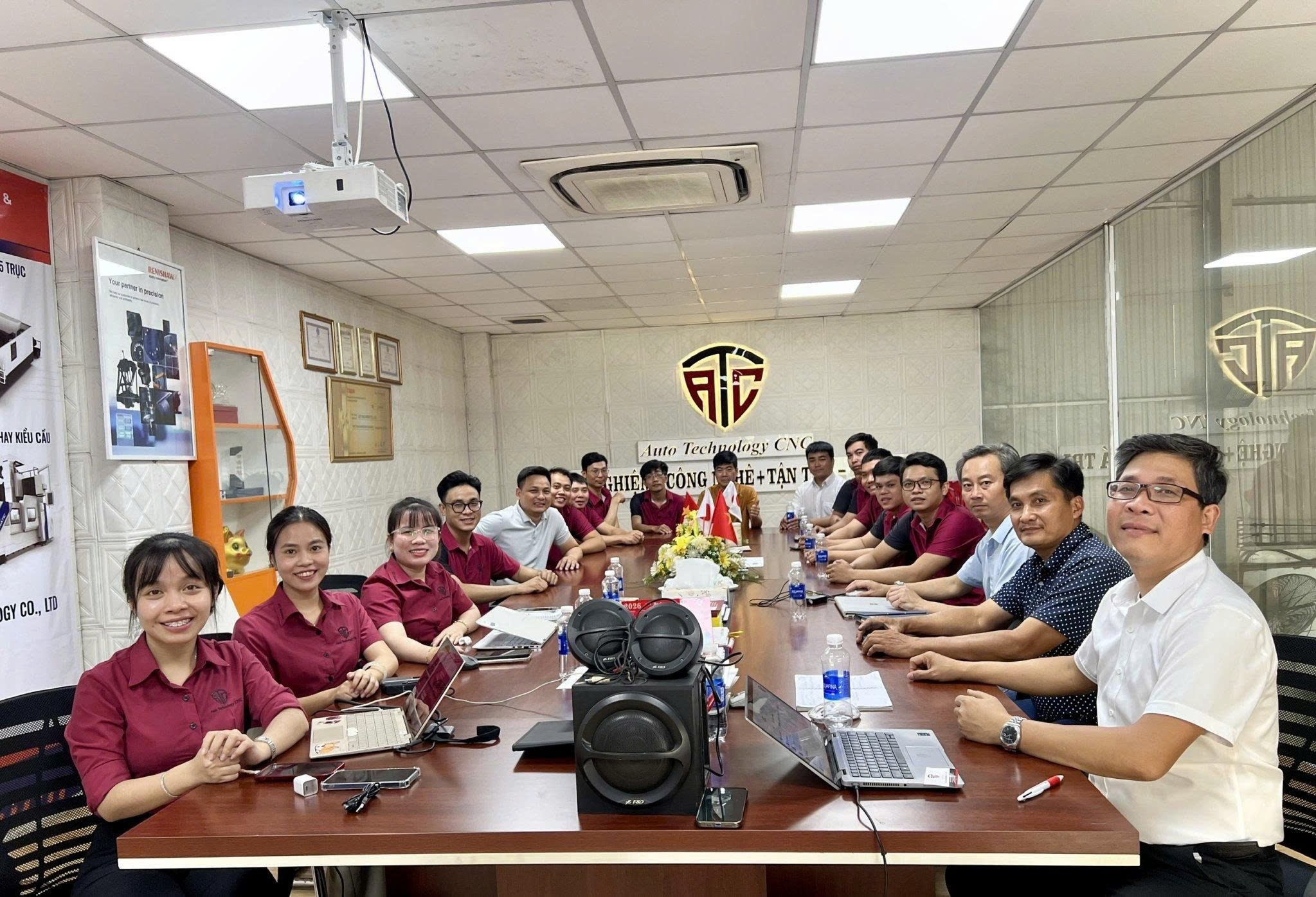
Unlike many other service fields, technical capability in the machine tool industry cannot be developed quickly. It typically takes years of training before an engineer can work independently in the field and resolve complex CNC machine problems. In addition to regular internal training, ATC therefore sends technicians to courses delivered by the manufacturers it represents.
Some engineers have received direct training in Japan, while technology update programs from Fanuc, Mitsubishi, Renishaw, and Kuroda are also held regularly in Vietnam through the manufacturers’ support networks.
As a result, ATC’s technical team not only understands how the equipment operates, but also gains exposure to the standards and working methods applied by Japanese manufacturers.
FBC ASEAN: Connecting the right manufacturing ecosystem
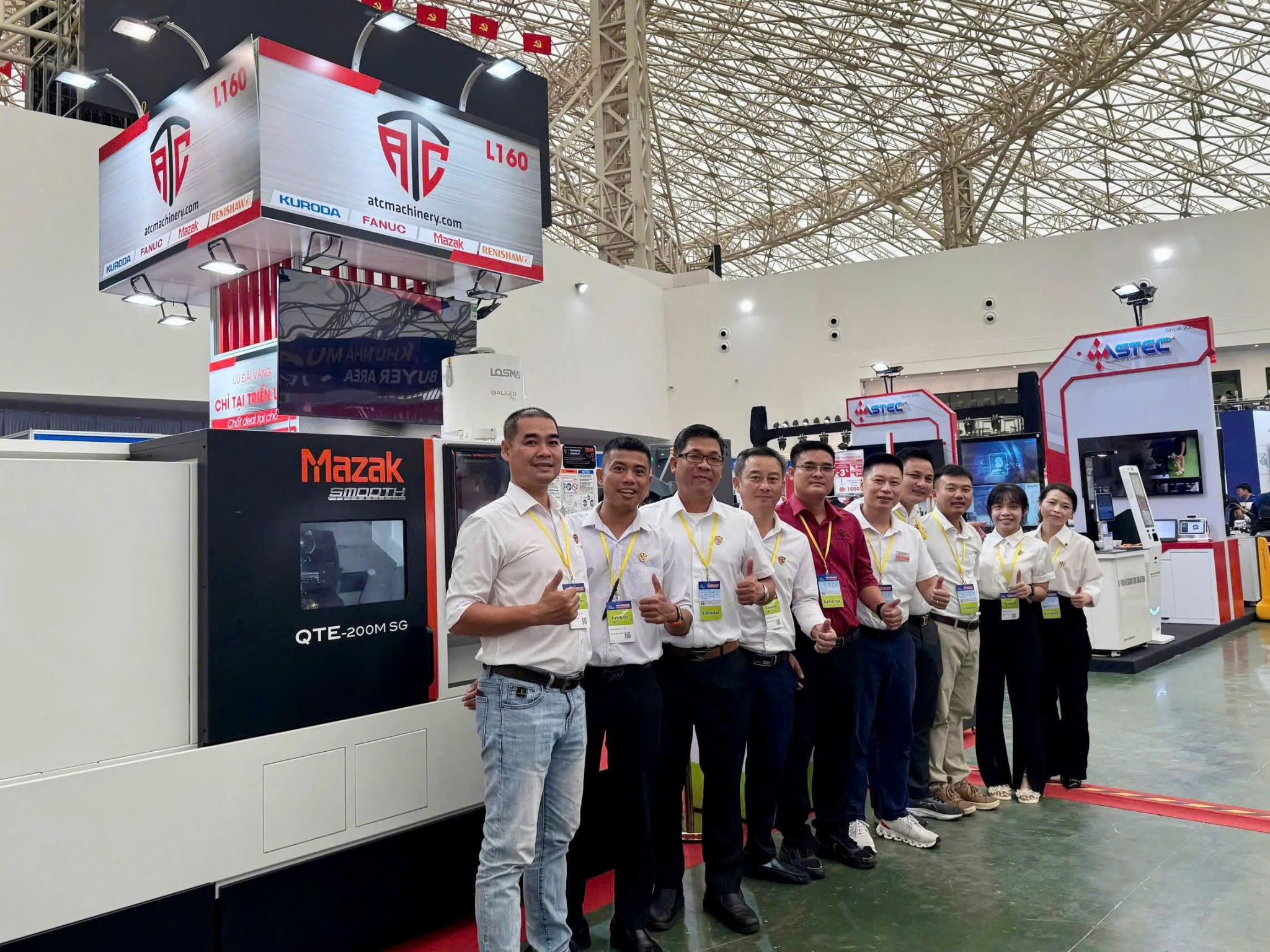
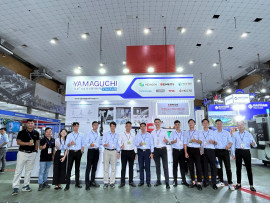
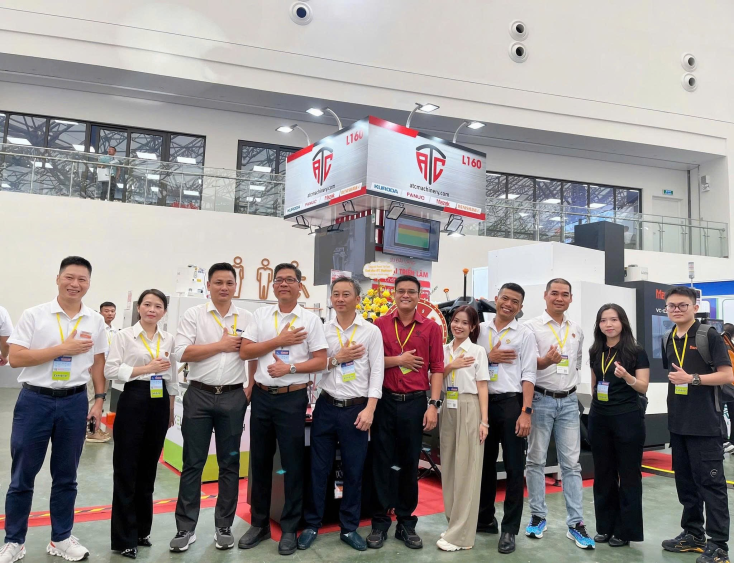
Following a positive experience at the previous exhibition, ATC Machinery is continuing its participation in FBC ASEAN 2026. The company aims to expand its network and introduce its philosophy of proactive machine care to more manufacturers.
This also reflects the consistent direction of ATC’s development model: not only supplying equipment, but also helping businesses derive greater value from that equipment during use.
According to an ATC representative, one of FBC’s distinguishing features is the highly structured support provided for business connections. Before the exhibition, the organizers proactively established dedicated support groups, provided regular updates, and issued detailed guidance on the items participants needed to prepare.
ATC also values the program’s communications reach. According to the company’s observations, the event attracted a large number of visitors and remained lively throughout the exhibition.
What impressed ATC most was FBC’s strong industry focus. Most participating companies operate in manufacturing, precision engineering, and supporting industries, creating a highly interconnected ecosystem. Meetings and discussions at the exhibition are therefore more substantive because the businesses share similar needs and interests.
Toward a long-term partnership with the manufacturing sector
After more than seven years of development, ATC is expanding beyond its domestic customer base to serve FDI manufacturers, particularly Japanese companies.
To strengthen nationwide customer support, ATC is also planning to expand its presence in central Vietnam. This move will not only shorten response times for customers in the central coastal region, but also provide a foundation for the company’s strategy to broaden its FDI customer base.
For ATC, the goal is not simply to place more machine tools in factories. The long-term value it pursues is to help plants use their equipment more effectively and operate with greater control over production—thereby strengthening customer competitiveness and contributing to their sustainable growth.