

To not only survive but also thrive and become an indispensable partner, Vietnamese manufacturing enterprises must rapidly enhance their internal capabilities. The core key lies in building a solid "digital linkage" to be able to "speak the same language" as multinational corporations.
Digital Linkages in the Global Supply Chain: A Breakthrough Opportunity for Vietnamese Manufacturing Enterprises
In the context of the powerful restructuring of global supply chains, Vietnam is rapidly attracting Foreign Direct Investment (FDI) as a strategic manufacturing base. However, this expanding opportunity always comes with significant challenges. To not only survive but also thrive and become an indispensable partner, Vietnamese manufacturing enterprises must rapidly enhance their internal capabilities. The core key lies in building a solid "digital linkage" to be able to "speak the same language" as multinational corporations.
Market Innovation and New Competitive Standards
Data analysis from the 2020–2024 period shows a clear shift in FDI inflows into Vietnam, particularly a sharp increase in projects from China. The number of Chinese projects rose from 204 in 2021 to 955 in 2024 (approximately a 5-fold increase). Additionally, investment from Singapore and South Korea remains at high levels, affirming Vietnam's position as a highly competitive manufacturing hub. When diving into the details, a more multifaceted picture emerges. Although the number of Chinese projects has increased sharply, the total investment capital has not increased correspondingly. This indicates a wave of small and medium-sized enterprises (SMEs) relocating from China to Vietnam. This shift is no longer limited to giant corporations; the entire supply chain ecosystem is being restructured right within the Vietnamese market.
 Figure 1. FDI Investment Trends in Vietnam from 2020-2024
This phenomenon is a natural flow from an economic perspective. When major manufacturers shift their production bases, it is inevitable for existing suppliers in the supply chain to follow suit to ensure stability, mitigate risk, and operate efficiently. However, this movement is quietly changing the nature of the competitive environment in ways that Vietnamese manufacturing enterprises may not yet realize.
Raising Competitive Standards: Competitors for Vietnamese enterprises are no longer confined to the domestic scope. The current market is witnessing the entry of foreign SMEs that have been tempered in fierce environments, possessing optimized production models and rich experience.
Opportunities Only for the Best: Supply chains formed under a consistent system have reached a stage that can be called a "high-performance ecosystem." FDI enterprises are expanding their options to find the best partners, with requirements for cost, quality, and delivery deadlines stricter than ever. Opportunities do not automatically go to local businesses; instead, only those that prove superior competence, regardless of nationality, will be selected.
In this context, relying on experience or flexibility in manual processing is no longer sufficient. What Vietnamese enterprises need is a transparent and efficient management system, validated by real data to objectively affirm their value.
Digital Capability: The Key for Vietnamese Enterprises to Become Strategic Partners of the FDI Sector
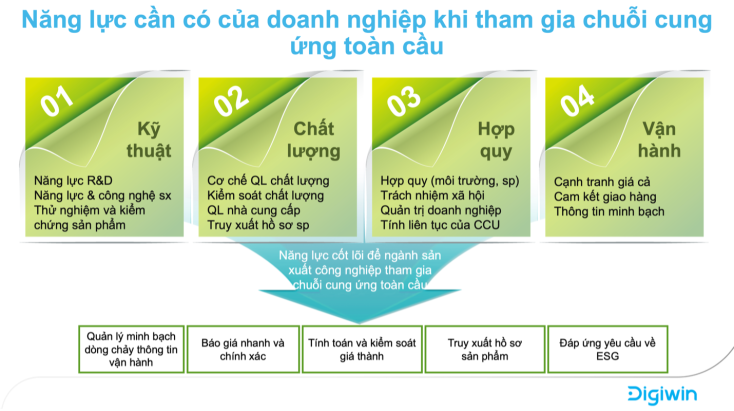
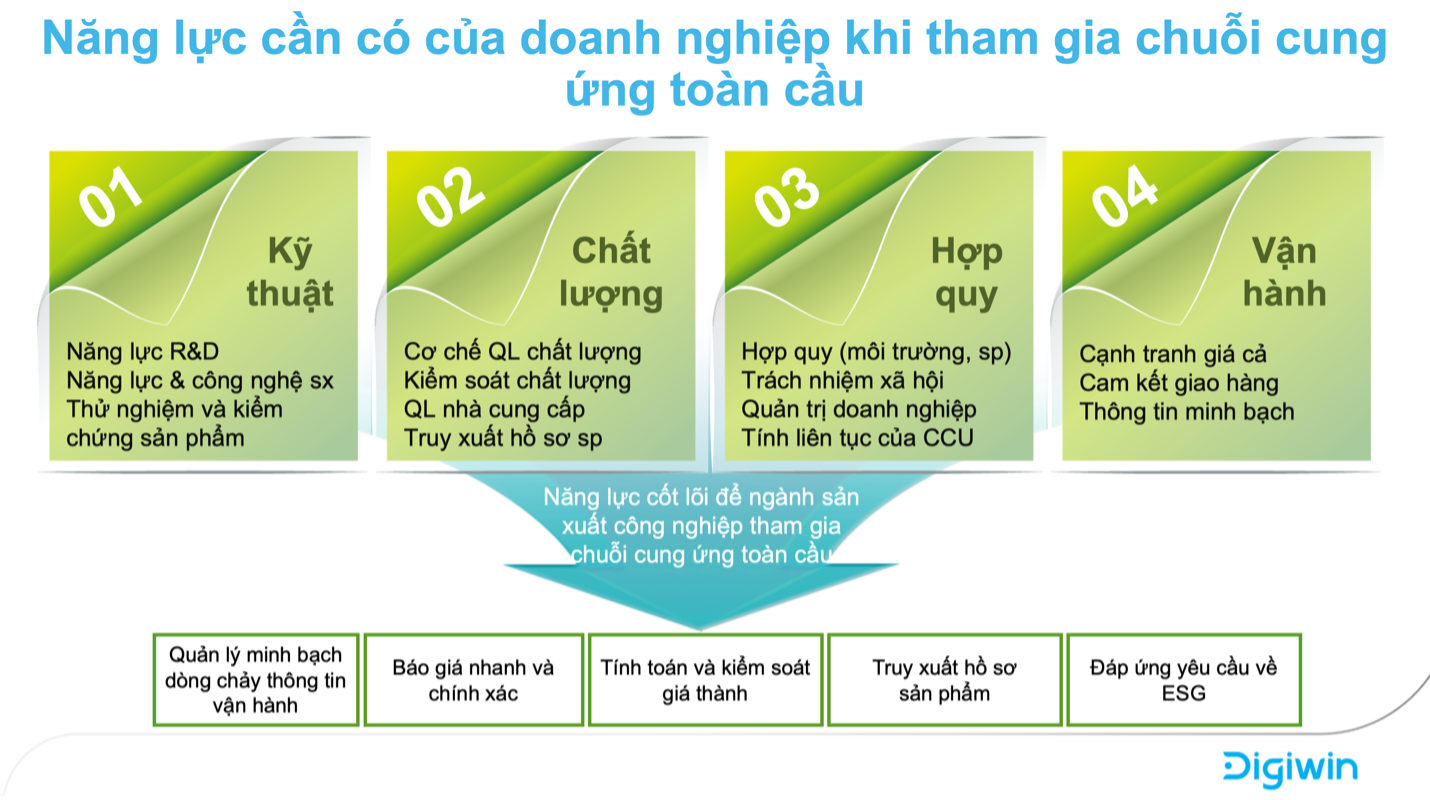 Figure 2. Crucial Capabilities Before Competing to Join the Supply Chain
To become a preferred supplier, Vietnamese enterprises must pass rigorous factory audits. This process is not merely a test, but a declaration of the values that FDI enterprises prioritize, typically focusing on three pillars:
Documentation and Process Standardization: Checking the consistency and completeness of the management documentation system (e.g., Are there Standard Operating Procedures (SOP) for the purchasing department? Are there records proving implementation?).
On-site Factory Assessment: Verifying the actual operation of documented processes, from 5S implementation and fire protection equipment management to machine maintenance plans.
Management and Employee Interviews: Assessing social responsibility and sustainable development through the working environment, compensation, and corporate culture. A typical audit process will randomly select a completed order and require departments to immediately present the relevant set of documents: the order review report (Sales), Bill of Materials - BOM (Planning), Purchase Order (Purchasing), incoming material inspection report (QC), and daily production reports (Production). If even one link is missing, trust in the entire system will be shaken.
Establishing Core Capabilities with Technology
In the digital age, relying solely on experience and manual operations is not enough to create a competitive advantage that is difficult to replicate. Technology is the effective "assistant" in three areas:
Product Traceability
This is an indicator proving daily process management capability. Digitalized systems allow for backward tracing from finished goods to production orders, each stage, machinery, operator, and raw material supplier. Immediate response to customer queries is the foundation of "trust" in long-term partnerships.
Cost Management
Pressure to reduce prices is a reality every supplier must face. Digitalized cost management systems help analyze costs down to each production order or stage, accurately recording everything from consumables to direct labor. Example: An electronics enterprise, after applying a detailed costing system, discovered that 33.83% of orders were loss-making or had extremely low margins due to complex design characteristics. Thanks to this data, they renegotiated prices and improved designs, reducing the loss-making order rate to 18.17% in just 3 months, saving millions of dollars.
Operational Visualization
FDI partners need evidentiary data rather than general explanations. A Manufacturing Execution System (MES) acts as the "digital command room" of the factory. Indicators such as Overall Equipment Effectiveness (OEE), downtime, and defect rates are updated in real-time on control screens, helping management make quick decisions and prove operational capability to customers.
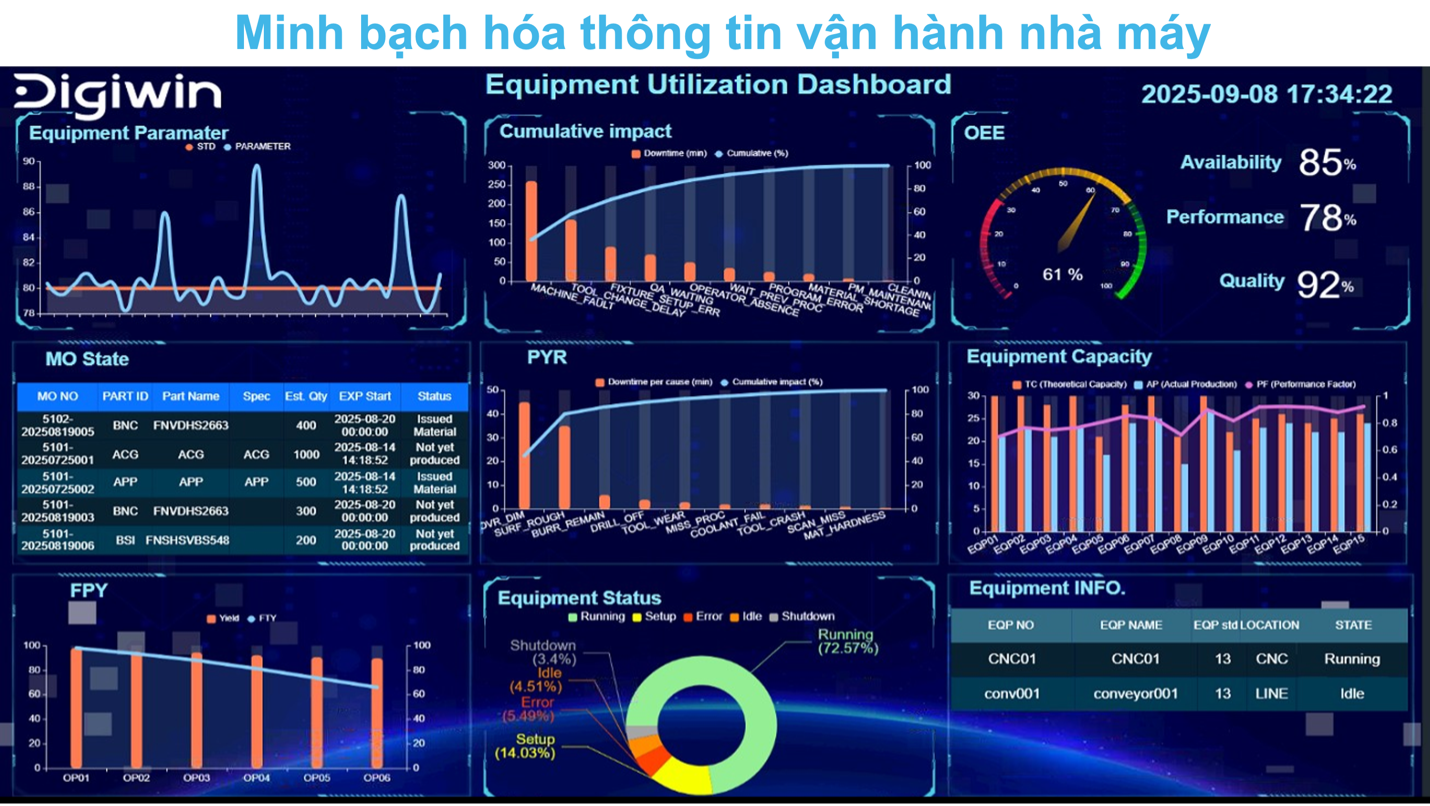 Figure 3. Overall Factory Operation Dashboard with a Digital Platform
ERP and MES: Optimal Solutions for Manufacturing Digital Transformation and Supply Chain Connectivity
To realize the aforementioned capabilities, applying integrated technology solutions is a prerequisite. Currently, the most effective proven model is the linkage between ERP and MES systems:
ERP (Enterprise Resource Planning): Acts as the "nerve center" of the enterprise, integrating and managing all activities from sales, procurement, production planning, and warehousing to finance and personnel. ERP ensures data consistency across the entire company level.
MES (Manufacturing Execution System): A specialized system for monitoring and managing directly at the shop floor. MES connects directly with machinery and workers to record all data occurring on-site, such as progress, quality, and equipment operating status in real-time.
The smooth coordination between ERP and MES creates a seamless two-way information flow: production plans from ERP are sent down to MES for execution, and conversely, actual data from MES is fed back to ERP. As a result, the entire process—from cost calculation and progress management to management reports—is closely linked. This mechanism is the perfect "digital linkage," helping to optimize everything from the office to the factory floor.
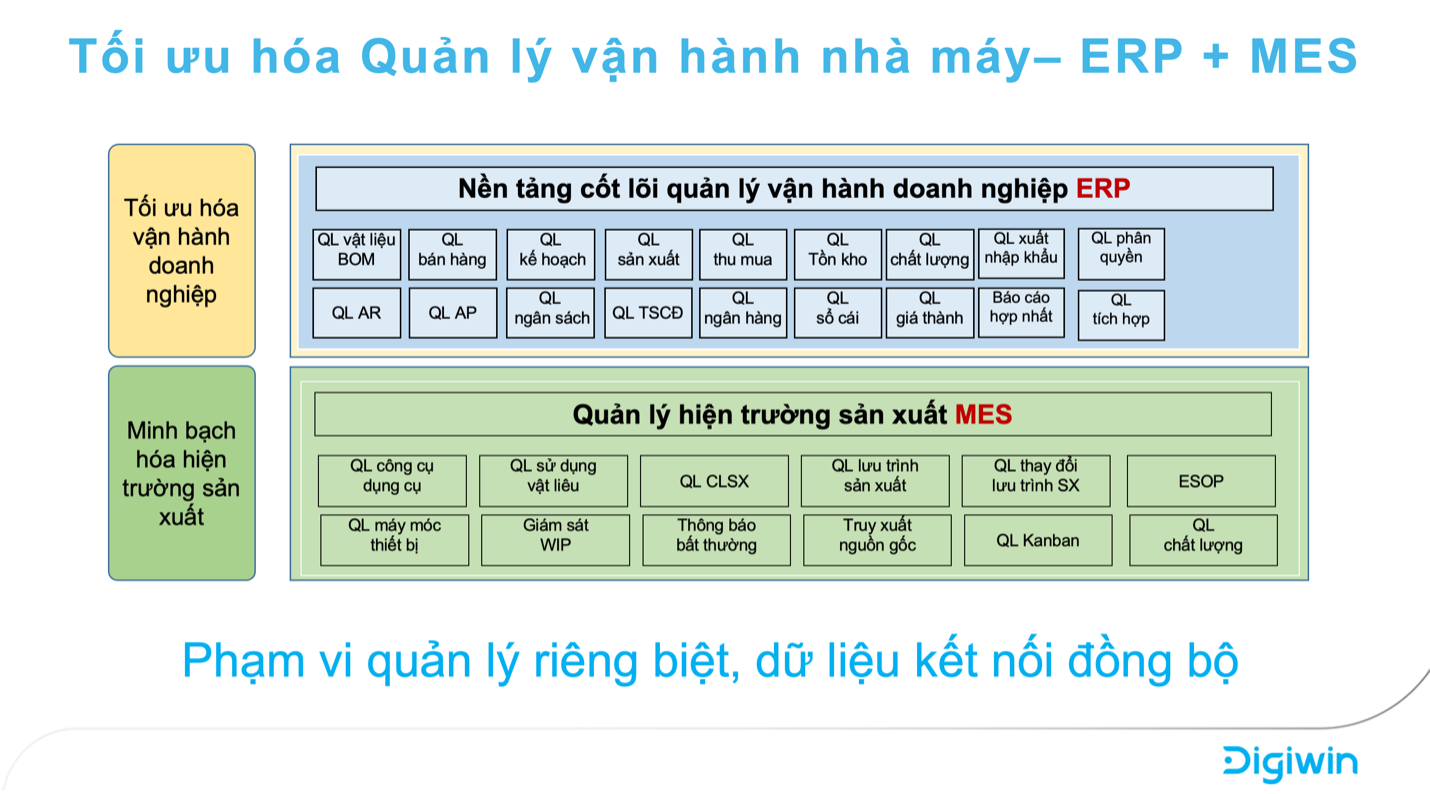 Figure 4. The Relationship Between ERP and MES
Dual Digital and Green Transformation: The New Standard to Join Global Supply Chains
Competitive standards today are no longer confined to the "CQD (Cost - Quality - Delivery)" framework. A new requirement called "ESG (Environment - Social - Governance)" is gradually becoming a global benchmark. With Europe implementing the Carbon Border Adjustment Mechanism (CBAM) or major corporations like Apple and Microsoft committing to carbon neutrality, meeting ESG standards is no longer an option but has become a mandatory condition for every enterprise.
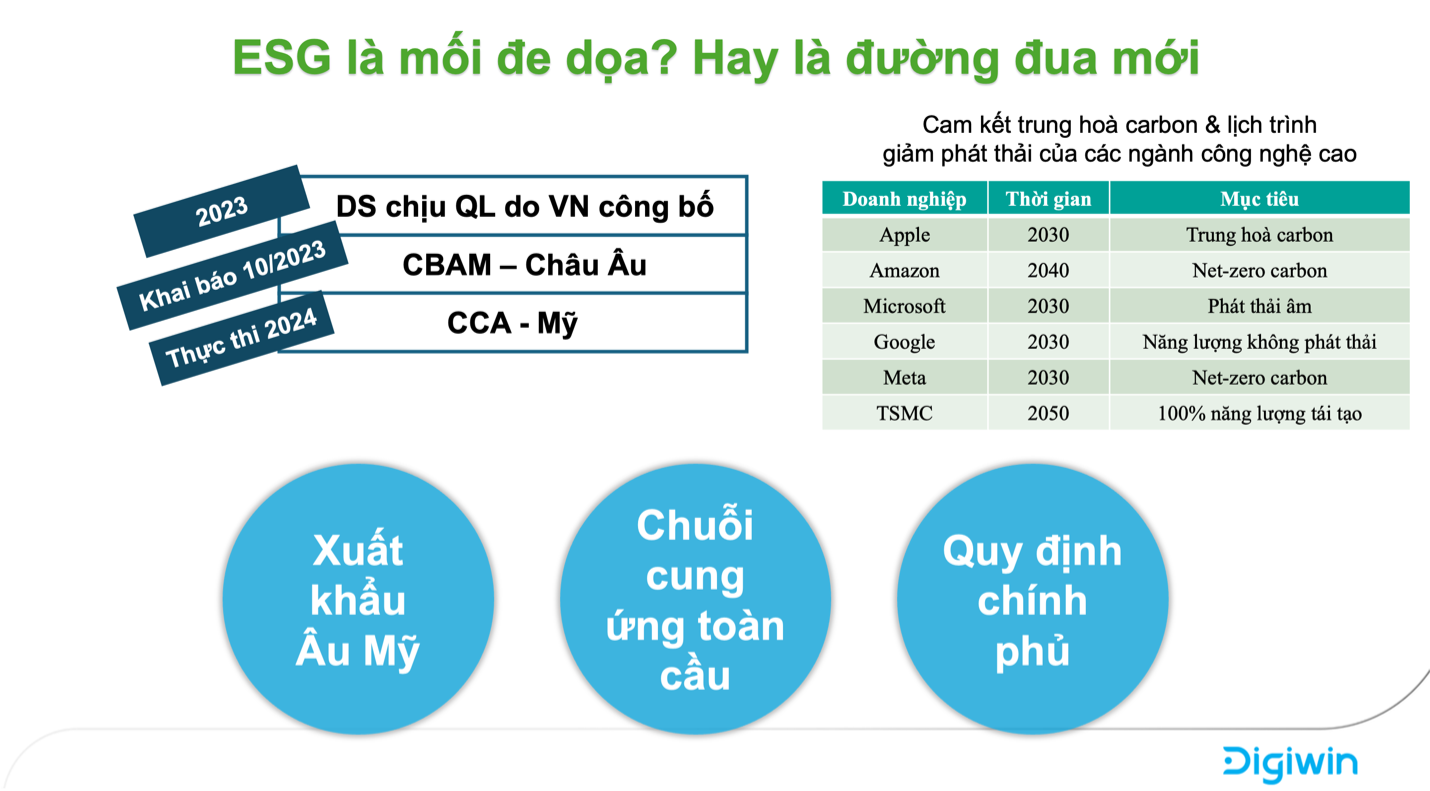 Figure 5. ESG - A New Competitive Advantage on the Negotiating Table
Interestingly, digital transformation is a prerequisite for green transformation. Without accurately measuring the energy consumption of each device, enterprises cannot manage carbon emissions; without controlling material waste, reducing waste is also impossible. Digital platforms provide transparent data—an indispensable factor in achieving these environmental goals. Reality shows that enterprises with high ESG scores often possess better financial performance. In other words, meeting ESG is not merely a cost but an investment in "green competitiveness," helping to create sustainable value and directly strengthening the enterprise's position in the global supply chain.
Conclusion
The wave of FDI and the shifting manufacturing ecosystem are constantly raising competitive standards in Vietnam. This is a challenge, but also a great opportunity for enterprises that dare to change. Building "digital linkages" through the integration of ERP and MES does not just stop at meeting strict requirements for traceability, cost, quality, or ESG. It is an investment to elevate internal strength, helping enterprises escape the label of "contract manufacturers" to become elite suppliers and strategic partners growing together in the global supply chain.
Digiwin Software
Founded in 1982 in Taiwan, Digiwin Software is a unit specializing in developing, providing, and consulting on enterprise management software for the manufacturing industry. Starting from ERP, the company has now developed an ecosystem of total solutions, meeting the diverse needs of enterprises:
BPM (Business Process Management)
BI (Business Intelligence)
MES (Manufacturing Execution System): Catering to small to large enterprises, providing specialized solution packages for the semiconductor industry.
SRM (Supplier Relationship Management)
WMS (Smart Warehouse Management System)
APS (Advanced Planning and Scheduling System)
Advanced applications utilizing IoT and AI
Digiwin's mission is to provide the most powerful digital tools for manufacturing enterprises. By helping enterprises focus productivity on value creation instead of merely repetitive tasks, Digiwin optimizes every area of operation: from production, supply chain, and finance to customer management. The ultimate goal is to realize improved work efficiency, enhanced competitiveness, and the promotion of sustainable growth.
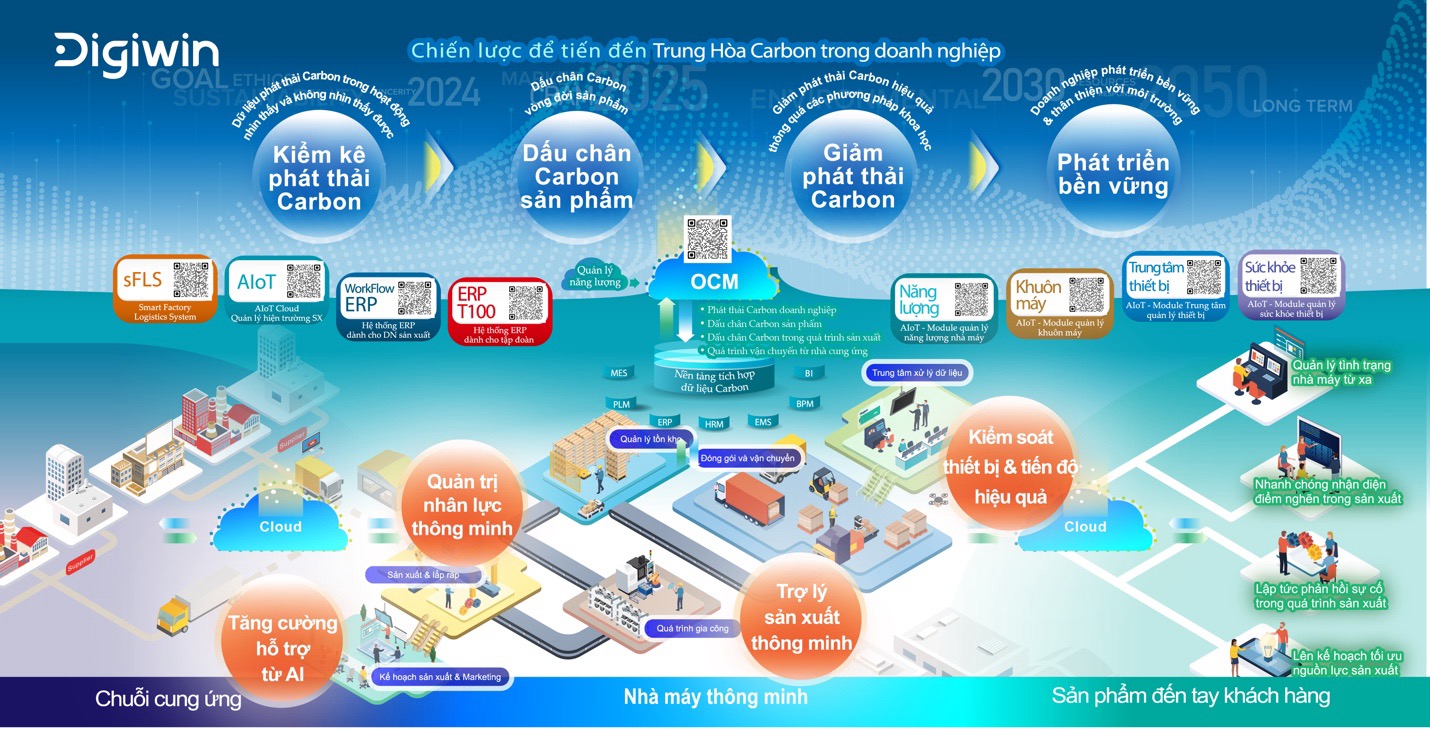 Figure 7. Digiwin's Total Solution for Manufacturing Enterprises in the Supply Chain