


On October 1, CT Semiconductor, a subsidiary of CT Group, officially inaugurated and implemented the ATP Chip Technician Training Center at the National Innovation Center (NIC) in the Hoa Lac Hi-Tech Park, Hanoi.
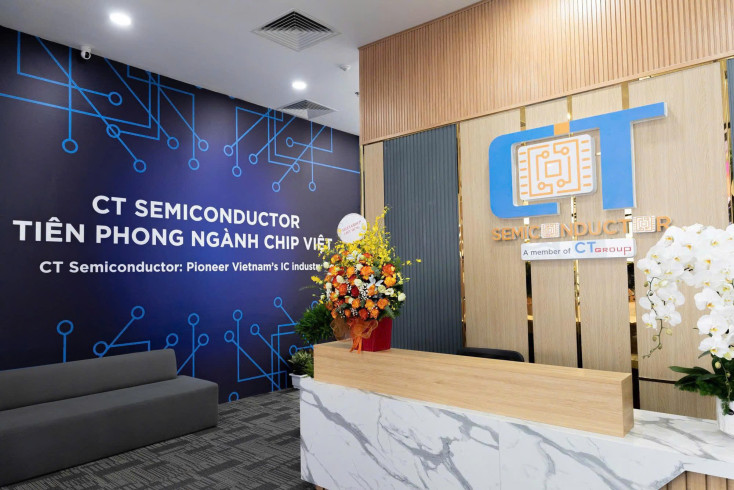
The ATP Chip Technician Training Center at NIC is part of CT Semiconductor's broader initiatives, which include the construction of three OSAT factories (two in the South and one in the North), two R&D centers in Ho Chi Minh City and Hanoi, and notably, two customer service centers in Silicon Valley and Phoenix, Arizona.
Experienced engineers from various countries will provide in-depth training for key personnel through a "Train for the Trainer" program, focusing on semiconductor chip assembly, testing, and packaging. Engineers and final-year students in related electronics fields will be trained to master ATP technology. A standout feature is that the trainees will gain hands-on experience working with the latest chip inspection machines and familiarize themselves with different types of chips.
This initiative is a practical step towards realizing the plan to develop 10 OSAT factories in Vietnam, as outlined in Decision No. 1018/QD-TTg by the Prime Minister, part of the recently announced Strategy for the Development of Vietnam's Semiconductor Industry on September 21, 2024.
What sets CT Semiconductor apart is its technological self-reliance, with well-prepared plans that begin with specialized ATP training for OSAT companies, and R&D, and move towards production following the Industry 4.0 model. On this occasion, CT Semiconductor also introduced the AMB5600 semiconductor chip and component testing machine to support research and training at the center. Notably, this is the first chip-testing machine to be integrated into Vietnam's training system.
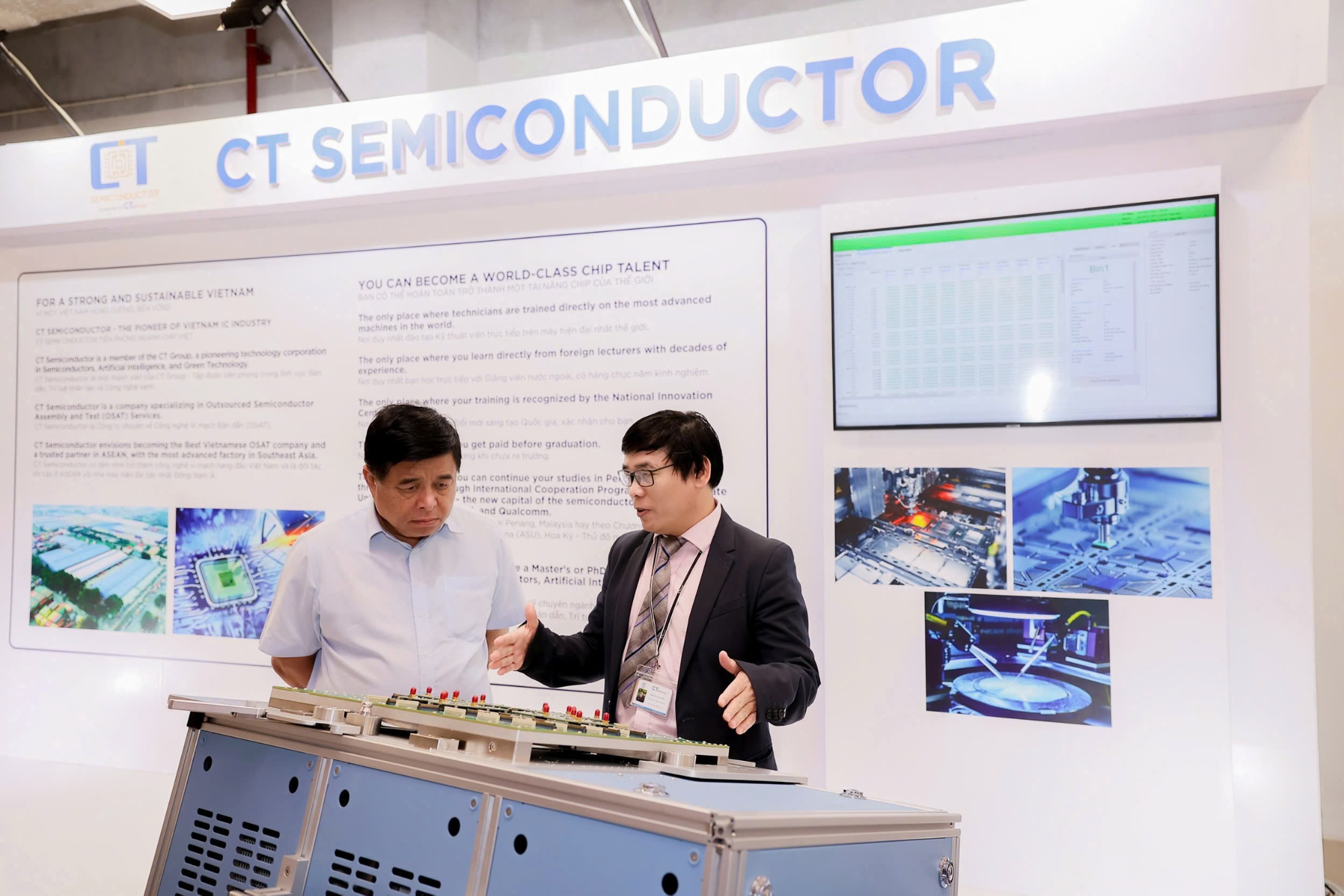
Minister of Planning and Investment Nguyen Chi Dung visited CT Semiconductor's Innovation Booth at Innovate Vietnam 2024.
CT Semiconductor's leadership shared: "Only by mastering technology and attracting global talent can Vietnam's semiconductor industry develop sustainably, avoiding superficial efforts aimed at attracting FDI just for reporting purposes. Twenty years ago, leading global chip companies entered Vietnam with many incentives, but to this day, the country's chip industry still lacks significant progress, while other ASEAN nations have surged ahead. We sincerely hope for fair support from the ministries, agencies, and local authorities."
The aspiration to develop Vietnam's semiconductor industry is commendable, but there remain significant challenges that require support, all aimed at building a sustainable technological future for the country.


